
Italian restaurant near Exmouth Market, Clerkenwell
Exmouth Market is one of Clerkenwell's best-loved streets, lined with cafes, restaurants and independent shops. It also has a surprising Italian connection. ...
Read the story
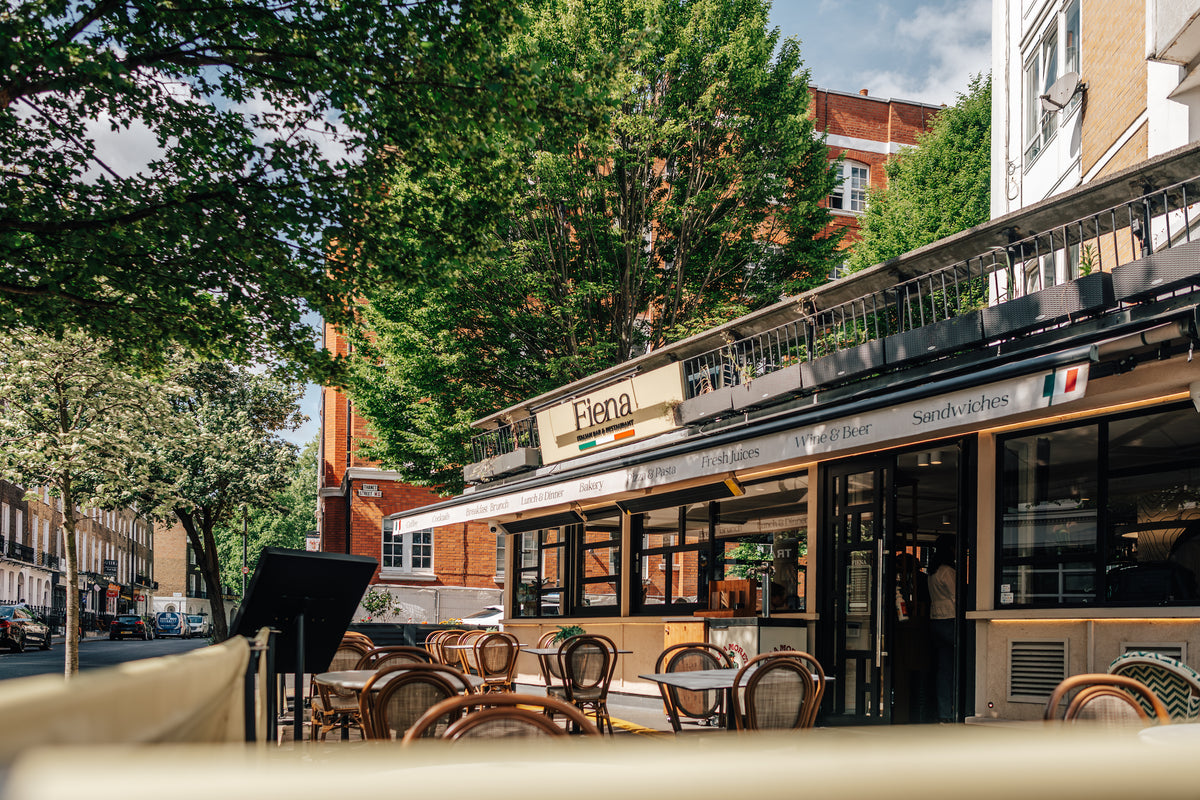
In Italy it's branzino or spigola, in France loup de mer, in Greece lavraki, and on British menus simply sea bass. Our Sea bass with capers sauce is one of the fish dishes at Fiena, our family-run Italian cafe, bar and restaurant at 4 Medway Court, Judd Street, London WC1H 9QX, a few minutes' walk from King's Cross St Pancras. Here's a little about the fish, the capers that go with it, and how we serve it.
The sea bass you eat in a British restaurant is the European seabass, Dicentrarchus labrax. In the UK and Ireland, the restaurant fish sold as sea bass is exclusively this species. It lives in the waters off Europe's western and southern coasts and North Africa, moving into shallow coastal waters, lagoons and river mouths in summer and offshore in winter. The Swedish naturalist Carl Linnaeus first described it in 1758, calling it Perca labrax.
It goes by dozens of names. In North America it's widely known by one of its Italian names, branzino, and in southern Italy it's often called spigola. In French it's bar or loup de mer, and in Spanish and Portuguese robalo. It's both fished and farmed, and it's considered the most important fish farmed in the Mediterranean today.
In Italian cooking, branzino is popular as a main course, prized for its sweet taste and flaky white flesh. It's often roasted whole and served with lemon. Background from Wikipedia's European seabass page.
Capers are the flower buds of the caper bush, Capparis spinosa, a plant found in almost every country around the Mediterranean. The buds, and the larger caper berries, are usually salted or pickled before they're eaten, which gives them their sharp, briny bite (background from Wikipedia's caper page). That salty tang is a natural partner for a mild white fish, and it cuts through a buttery wine sauce.
On our main menu, the Sea bass with capers sauce is a pan-fried sea bass fillet in a white wine sauce with capers, served with French beans. It's marked gluten-free. If you'd rather have the whole fish, the Whole sea bream (500g) is grilled and also gluten-free, and the Salmon with lemon sauce comes with white wine, lemon zest, lemon juice and butter. All three are served from midday.
Capers turn up elsewhere on the menu too, in our Mussels with anchovies, olives, garlic and white wine. See our posts on our mussels, grills and sea bream and fritto misto.
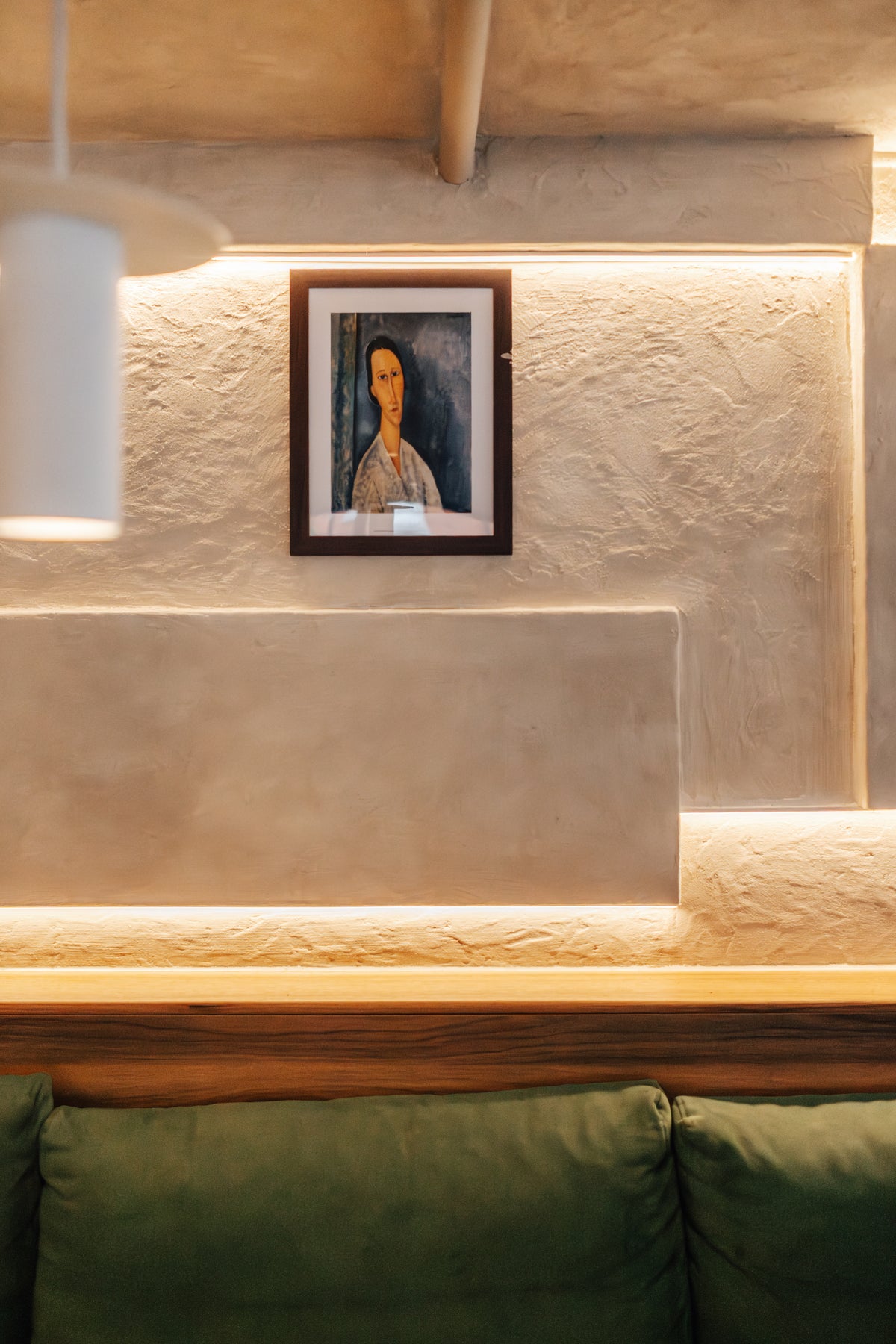
Guests often mention how fresh our cooking is. Nasipa wrote: The food was tasty, fresh, and really well prepared.
(Nasipa, Google review) And M Sinnott, who had the seafood linguine, said the fish was cooked perfectly
(Google review).
For a side, the Rosemary potatoes, Tenderstem broccoli or Heritage tomato & red onion salad all suit fish. To start, try the Caprese or the Marinated seafood. From our drinks menu, a crisp white is the classic match: the Gavi di Gavi, bone dry with lemon sherbet and green apple, the Sicilian Vitis Nostra Grillo, or the Pinot Grigio. See our post on the wine list.
“So delicious and comforting”
Anastasia, Google review, 2025
Branzino, spigola or plain sea bass, it's on from midday. Book a table or walk in at 4 Medway Court, Judd Street.
Exmouth Market is one of Clerkenwell's best-loved streets, lined with cafes, restaurants and independent shops. It also has a surprising Italian connection. ...
Read the storyFew drinks are as tied up with London's history as gin. It was blamed for a public health crisis in the 18th century, gave its name to a whole style of spiri...
Read the storyAsk for an Italian white and most people think of Pinot Grigio. But Italy has hundreds of local grapes, and some of the most interesting come from Sicily. On...
Read the story
