
Italian restaurant near Red Lion Square and Conway Hall, Holborn
Red Lion Square is a small, leafy square just off Holborn, best known today as the home of Conway Hall. If you're there for a talk, a concert or a meeting an...
Read the story
A plate of small green peppers, blistered in hot oil and scattered with salt, is one of the simplest starters there is, and one of the most moreish. Padrón peppers are on the menu at Fiena, our family-run Italian cafe, bar and restaurant at 4 Medway Court, Judd Street, London WC1H 9QX, a few minutes' walk from King's Cross St Pancras. Here's where they come from, why every plate is a small gamble, and how we serve them.
Padrón peppers, also called Herbón peppers, are a local variety of Capsicum annuum, the same species as bell peppers and many chillies. They come from the municipality of Padrón in the province of A Coruña, in Galicia in north-west Spain, and mainly from the valley of the parish of Herbón. Since 2010, European Union law has protected the name pemento de Herbón as a protected designation of origin. Today the peppers are also grown elsewhere in the Mediterranean and in the United States.
They're small, about 5 centimetres long, and they're picked, sold and eaten while still green and unripe. Left on the plant, they ripen to red and get spicier as they mature.
Most Padrón peppers taste mild, but now and then one is quite hot. That's why Galicia has a saying about them: "Os pementos de Padrón, uns pican e outros non", or "Padrón peppers, some are hot, some are not." Drought-stressed plants tend to produce hotter peppers, so there's no telling which one will bite until you've bitten it. Half the fun of a shared plate is waiting to see who gets the hot one.
The classic way is the simplest: fry the peppers whole in olive oil until the skins blister and the peppers collapse, then serve them hot with a dusting of coarse salt, sometimes with bread, as tapas. In and around Padrón the stems are removed before frying, because the producers there say they make the peppers bitter. Elsewhere the stems are usually left on and used as handles. Japan has a very similar pepper, the shishito, cooked in much the same way. Background from Wikipedia's Padrón pepper page.
On our main menu, Padron peppers are listed with the starters: blistered Spanish green peppers with flaked sea salt. They're marked vegetarian, vegan and gluten-free, which makes them one of the easiest dishes on the menu to share with a mixed table. They're served from midday until close.
A Spanish pepper on an Italian menu? It fits the way we like to start a meal, with a few small plates in the middle of the table and a drink. Pair them with the Bruschetta (also vegan), the Arancini, mushroom with saffron sauce or nduja with a rich pink sauce, the Baby calamari with tartar sauce, or the Tiger prawns with garlic, cherry tomato and white wine. See our posts on sharing starters, arancini, bruschetta and antipasti.
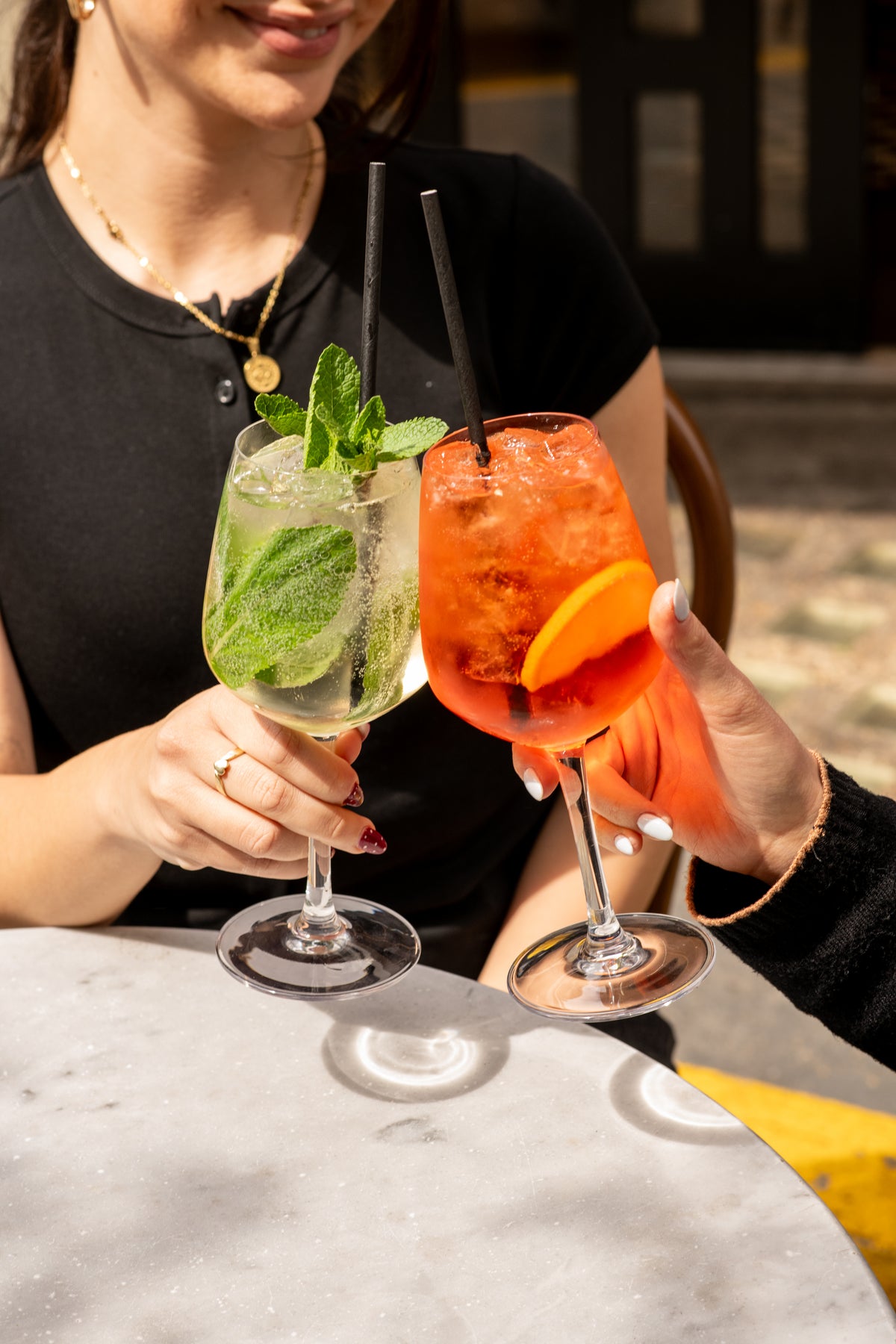
Guests often mention the range of dishes. Tina wrote: Lovely selection of dishes and brilliant service.
(Tina, Google review) And John described the setting as really cosey and enjoyable
(John, Google review).
Salty, green and occasionally fiery, Padrón peppers want something cold. From our drinks menu, the natural match is the Albarino, a white from Galicia, the same corner of Spain the peppers come from, with bright lime and green apple aromas. A Gavi di Gavi, a pint of Draft Moretti or an Aperol spritz also work well, and drinks are served from 10:30. See our posts on aperitivo hour and the wine list. If a hot one catches you out, our post on spicy Italian food is for you.
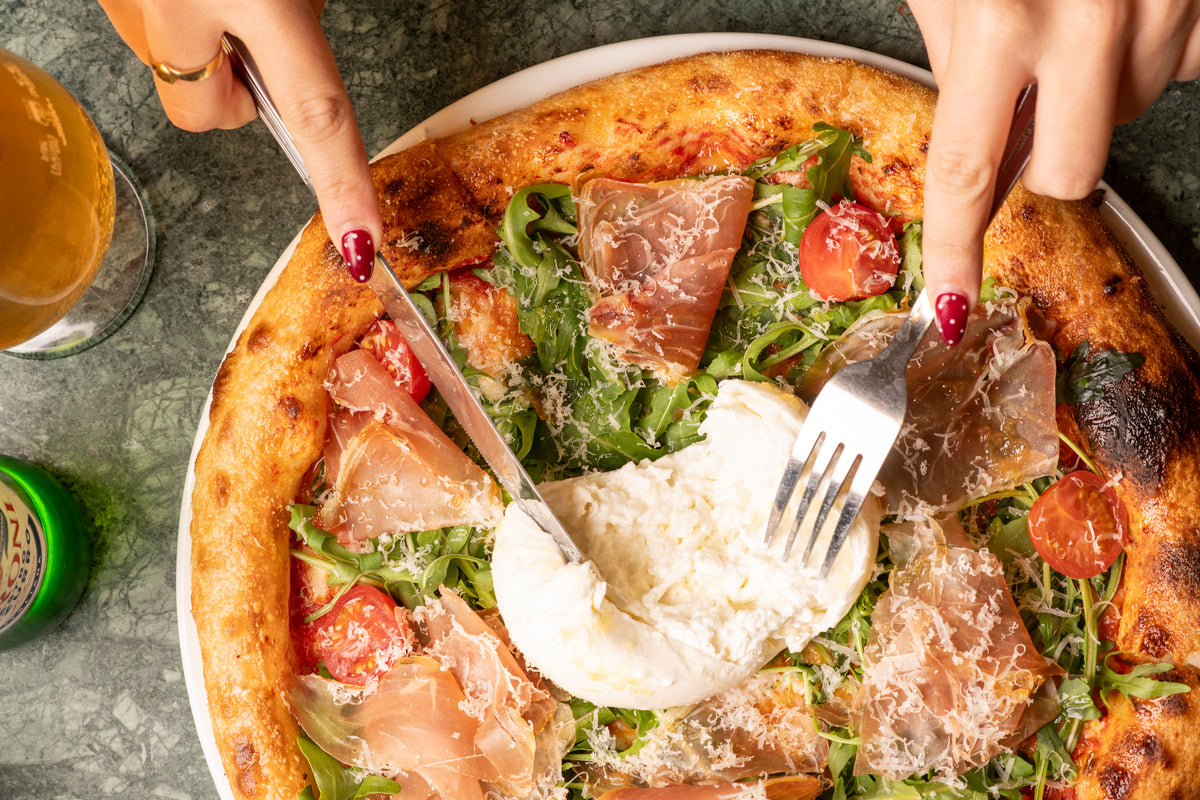
“Excellent pizza and sides for a reasonable price. It was really good Italian and we will be back!”
Sean, Google reviews, 2026
Some are hot, some are not. Book a table or walk in at 4 Medway Court, Judd Street, and find out which one you get.
Red Lion Square is a small, leafy square just off Holborn, best known today as the home of Conway Hall. If you're there for a talk, a concert or a meeting an...
Read the storyDinner's done, the tiramisu is on its way, and someone asks for a brandy. If you've ever wondered what the letters on a Cognac bottle mean, or why Cognac is ...
Read the storyMost people know Chilean wine for Cabernet Sauvignon, Merlot or Carmenère. But for centuries, the grape that filled Chile's vineyards was a humbler one calle...
Read the story
