
Italian restaurant near Red Lion Square and Conway Hall, Holborn
Red Lion Square is a small, leafy square just off Holborn, best known today as the home of Conway Hall. If you're there for a talk, a concert or a meeting an...
Read the story
Bright red, bittersweet and fizzing with prosecco, the Campari spritz is the spritz for people who like a bit of bite. It's one of four spritzes on the drinks list at Fiena, our family-run Italian cafe, bar and restaurant at 4 Medway Court, Judd Street, London WC1H 9QX, a few minutes' walk from King's Cross St Pancras. Here's what Campari is, where the spritz came from, and how we make ours.
Campari is an Italian bitter apéritif, made by infusing herbs and fruit, including chinotto and cascarilla, in alcohol and water. Gaspare Campari created it in 1860 in Novara, in northern Italy. Its famous red colour originally came from carmine, a dye made from crushed cochineal insects; the company stopped using carmine in 2006. The first Campari factory opened in 1904 in Sesto San Giovanni, near Milan, and under Gaspare's son, Davide, the drink began to travel, first to Nice and then overseas.
It's a key ingredient in some of the best-known Italian cocktails, including the Negroni, the Americano and the Boulevardier. In Italy you'll also see Campari Soda, sold in little ready-mixed bottles designed by the artist Fortunato Depero in 1932. Background from Wikipedia's Campari page.
The spritz goes back to the 1800s, when the Veneto was ruled by the Habsburgs. Soldiers, merchants and officials from the Austrian empire found the local wines stronger than they were used to, and asked for a splash of water to be sprayed into their glass, from the German spritzen, "to spray". In the 1920s and 1930s, in Venice and Padua, bitter apéritifs were added; Aperol was created in Padua in 1919. It wasn't until the 1970s that the modern recipe settled, with prosecco instead of still wine. The spritz has been an official International Bartenders Association cocktail since 2011, and National Spritz Day is celebrated on 1 August. Background from Wikipedia's spritz page.
On our drinks menu, the Campari spritz is made with Campari, prosecco and soda water. Compared with an Aperol spritz, it's deeper red and more bitter, with less sweetness, so it's a good pick if you like a Negroni but want something lighter and longer. Alcoholic drinks are served from 10:30.
If you'd like to compare, the list has three more spritzes: the Aperol spritz, the Limoncello spritz and the Hugo spritz with elderflower and fresh mint. And if you love Campari, the Negroni (gin, Campari and sweet vermouth) is on the cocktail list. See our posts on aperitivo hour on Judd Street, the limoncello spritz and the cocktail list.
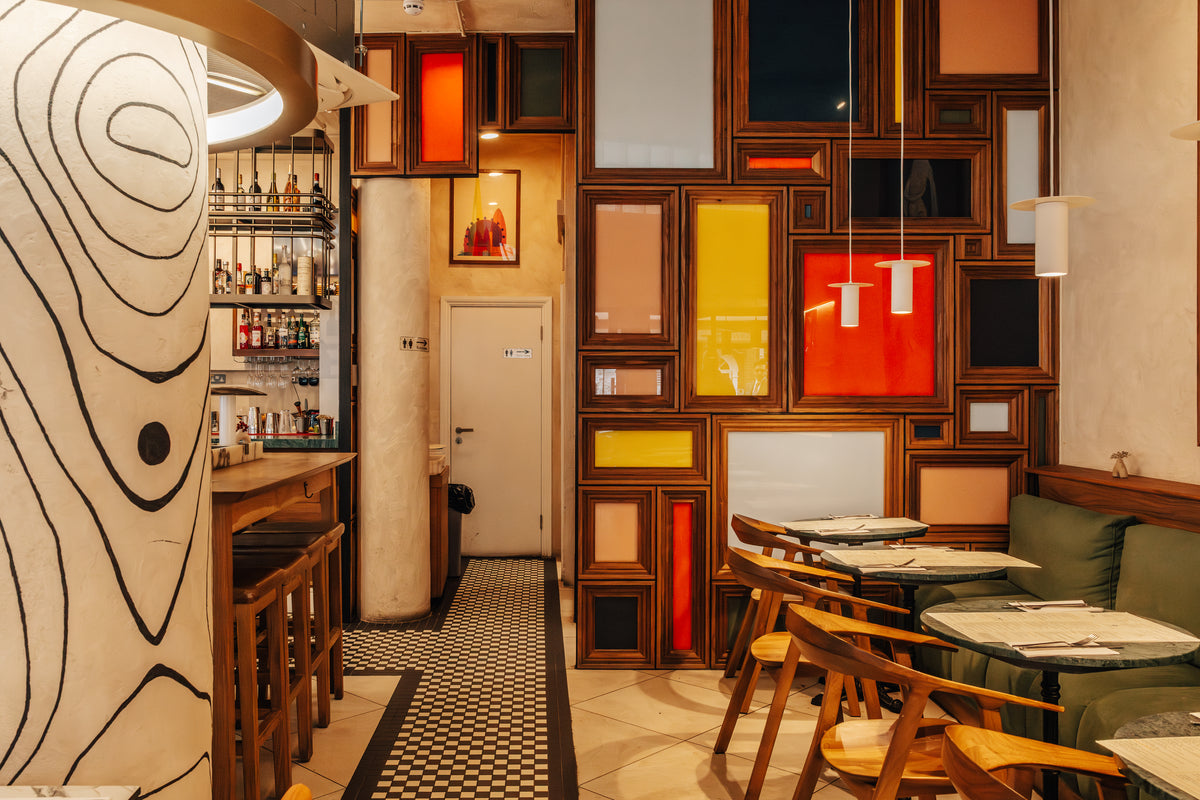
Our spritzes get plenty of mentions. Katelyn had the Best aperol spritz and spaghetti bolognaise I’ve had in a while!
(Katelyn, Google review) And M Sinnott's table was able to walk straight in and got a table for 4
(Google review), then ordered a round of Hugo spritzes.
Bitter drinks love salty, savoury bites, which is the whole idea of aperitivo. From our main menu, try a Campari spritz with Padron peppers with flaked sea salt, the Bruschetta, the Arancini (mushroom with saffron sauce, or nduja), or Garlic bread cheese for the table. See our posts on Padrón peppers, arancini and sharing starters.
Not drinking? The Virgin mojito and the Lady in Red are on our alcohol-free list.
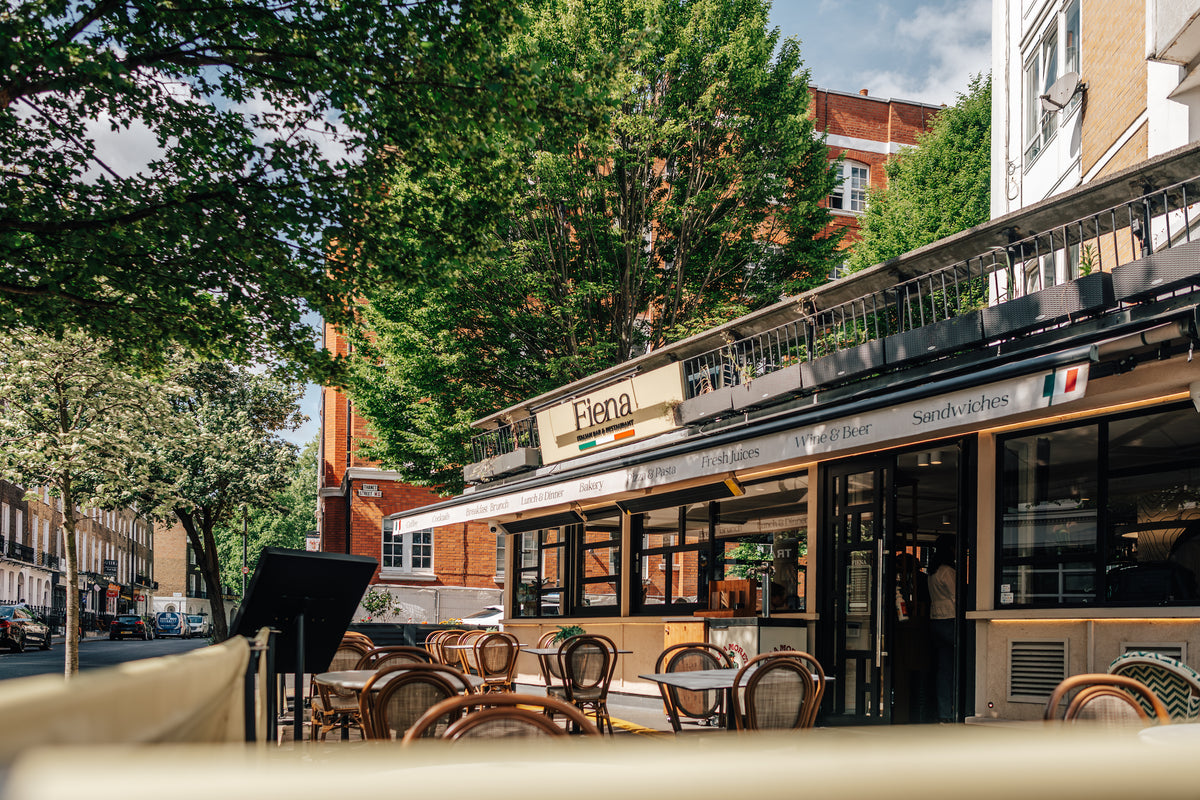
“I’d also recommend sitting outside and enjoying a cocktail here.”
Kiley, Google review, 2026
Bitter, red and bubbly, from 10:30. Book a table or walk in at 4 Medway Court, Judd Street. Please drink responsibly.
Red Lion Square is a small, leafy square just off Holborn, best known today as the home of Conway Hall. If you're there for a talk, a concert or a meeting an...
Read the storyDinner's done, the tiramisu is on its way, and someone asks for a brandy. If you've ever wondered what the letters on a Cognac bottle mean, or why Cognac is ...
Read the storyMost people know Chilean wine for Cabernet Sauvignon, Merlot or Carmenère. But for centuries, the grape that filled Chile's vineyards was a humbler one calle...
Read the story
